

Home Decor & Renovations

Latest News

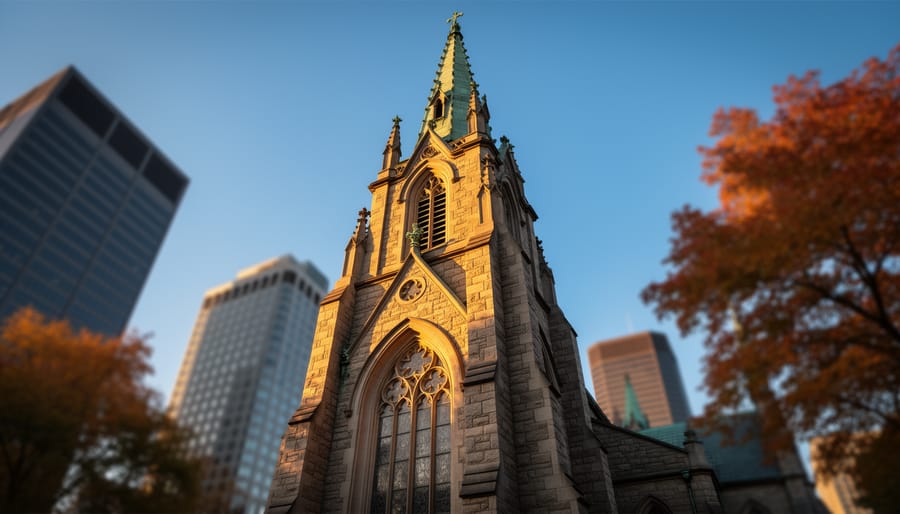
Why Calgary’s Historic Buildings Need Specialized Architectural Painting
Imageline Painters calgary represents a specialized discipline where preservation science intersects with aesthetic refinement, transforming Calgary’s built environment through techniques that honor architectural integrity while meeting contemporary performance standards. Unlike conventional residential painting, architectural painting demands comprehensive understanding of heritage materials, structural systems, and environmental stressors unique to Alberta’s climate extremes.
Calgary’s architectural landscape presents distinct challenges that separate routine …

Tips for Designing a Vape-Friendly Building to Enhance Overall Comfort and Safety
As vaping e liquids flavors gain popularity, it becomes essential for architects and building designers to consider the needs of vapers in creating a vape-friendly building. A vape-friendly environment ensures the comfort, safety, and well-being of both vapers and non-vapers, which can help foster a harmonious and inclusive atmosphere.
In this article, we explore key factors and design considerations for crafting a vape-friendly building that accommodates this growing trend while maintaining a healthy and inviting space for all occupants….

Four Architecturally Significant Museums Designed by Renowned Studios
On International Museum Day, we celebrate ten extraordinary museums worldwide that showcase exceptional architectural design. Designed by renowned architects or featuring innovative concepts, these museums redefine the boundaries of architectural excellence. From Dubai to Istanbul, each museum stands as a testament to visionary creativity and aesthetic brilliance.
Museum of the Future, UAE
Dubai’s Museum of the Future, designed by Killa Design, is a mesmerizing ring-shaped building declared “the most beautiful building in the world.” This architectural masterpiece features exhibits …
Architectural Marvels in Canadian Cities
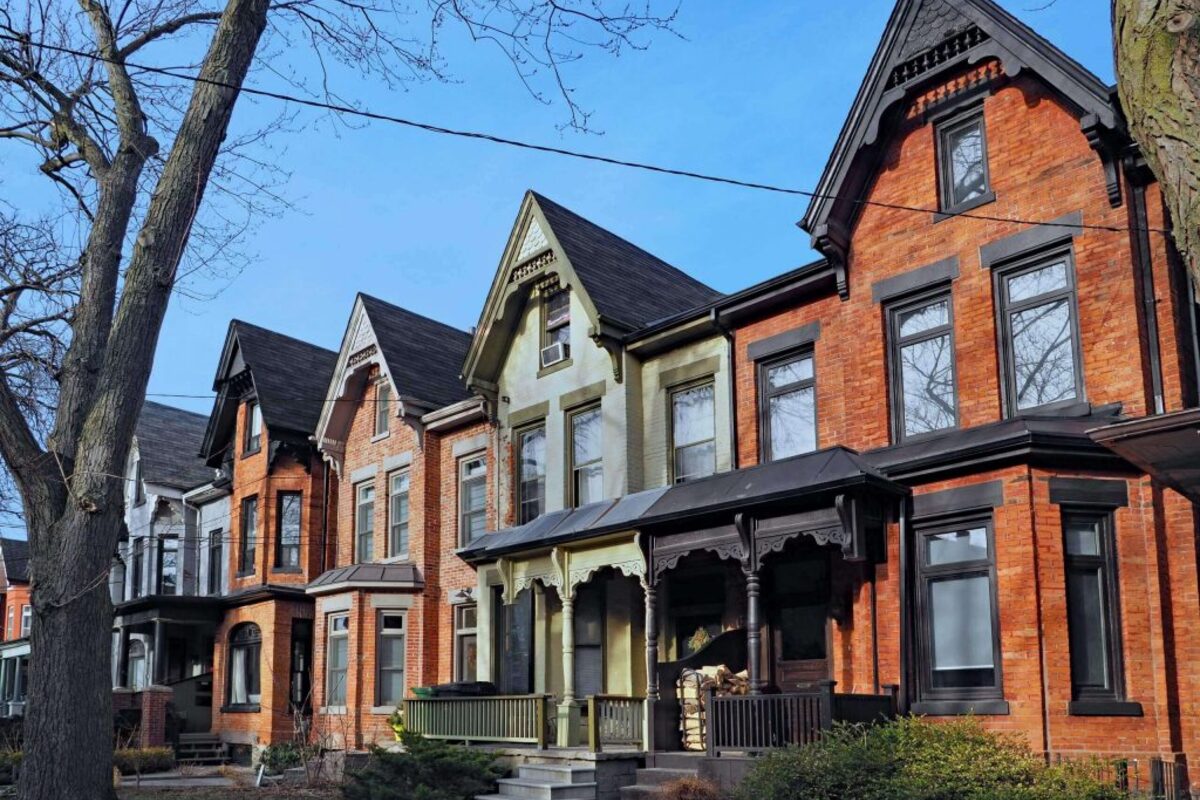
Canadian cities are renowned for their diverse architectural styles, each reflecting a unique blend of history and cultural influences. From Toronto’s bay-and-gable houses to Quebec’s Colonial and Château styles, let’s explore the diverse styles and immerse in the captivating history and culture of Canada through the remarkable architectural marvels below.
Toronto, ON: Bay-and-Gable Houses and Georgian Buildings
Toronto showcases charming bay-and-gable houses, characterized by long and narrow lots and large bay windows. The city also boasts Georgian buildings, influenced by British immigrants…